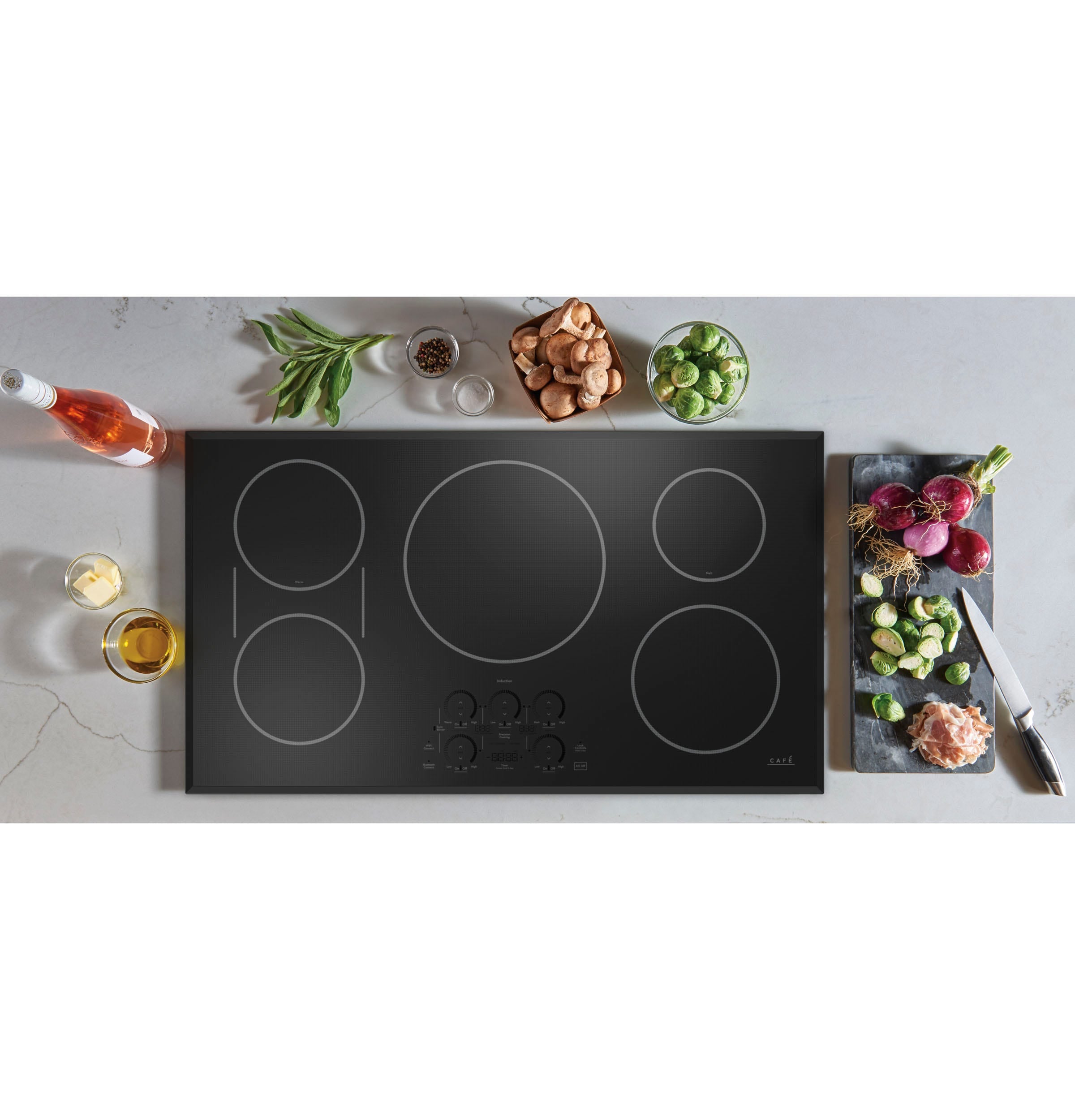
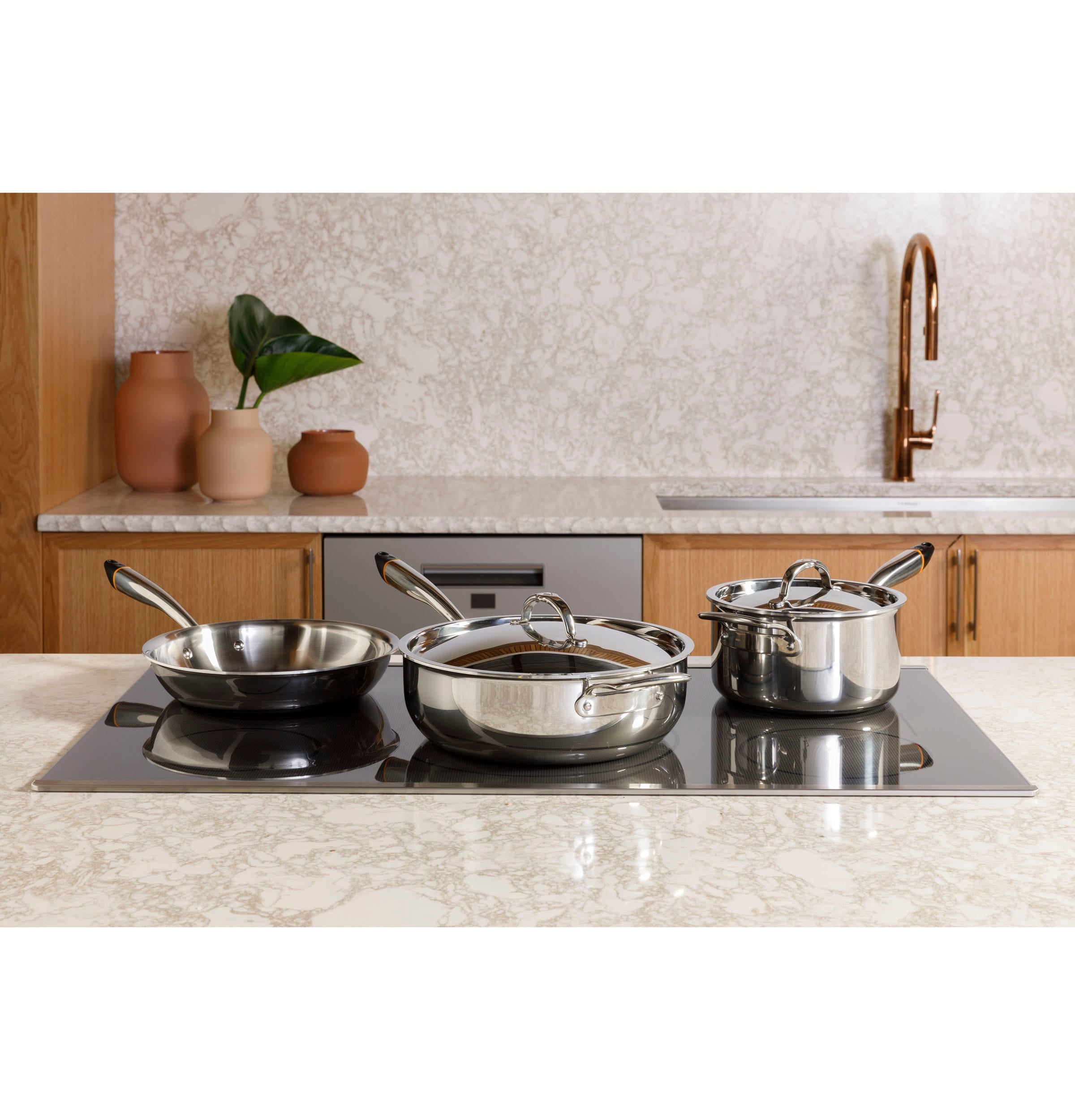
Beneath clean white tiled walls, a black built-in electric ceramic cooktop integrates seamlessly with the light gray countertop. Cookware rests quietly on different heating zones, while nearby kitchen utensils and ingredients add a touch of life to the scene. Free from the noise of open flames or bulky casings blocking movement, this cooktop conveys the possibility of efficient cooking through its simplicity. We can’t help but ask: Why has the built-in electric ceramic cooktop become the "dual win of efficiency and aesthetics" for modern kitchens?
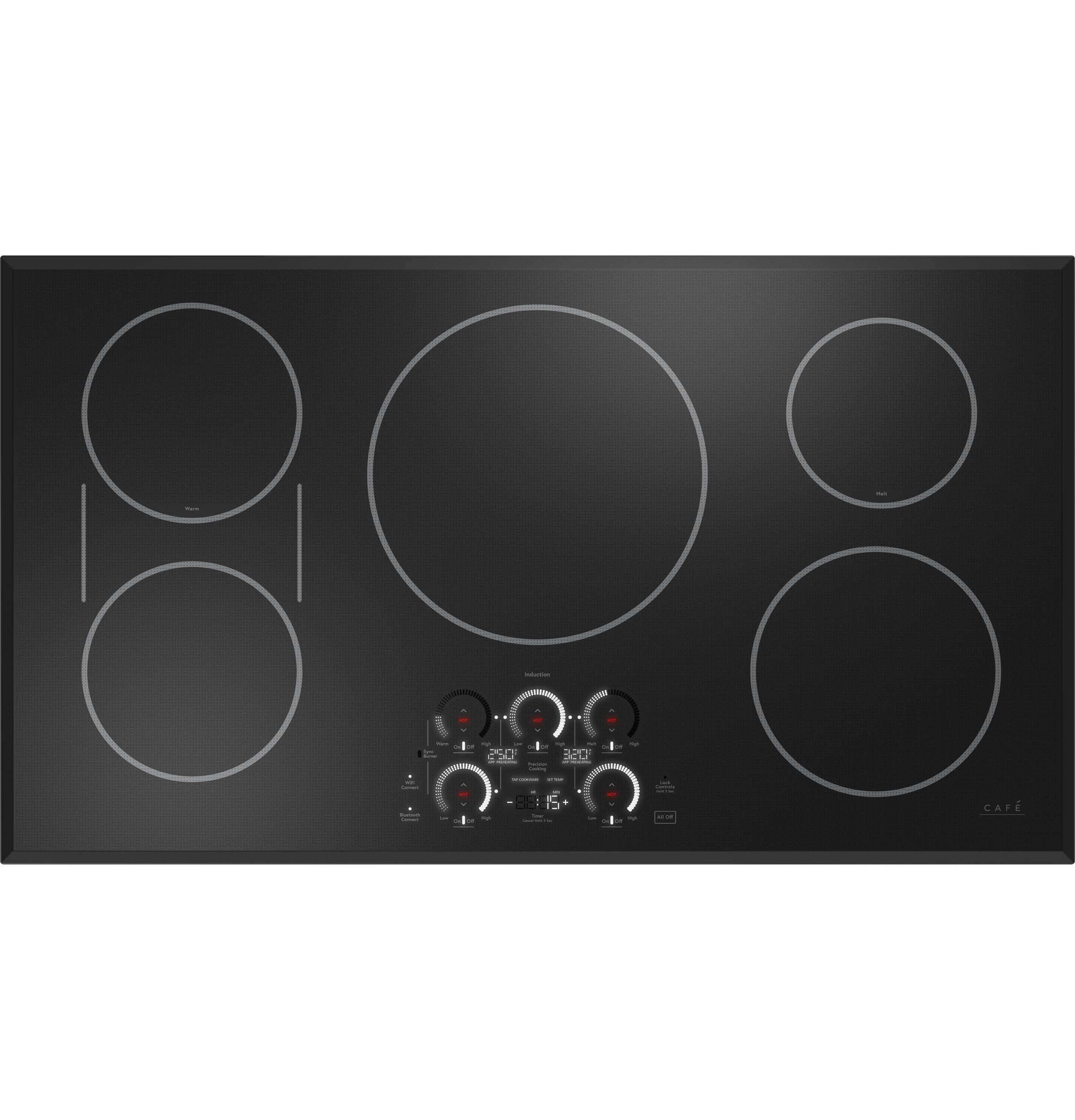
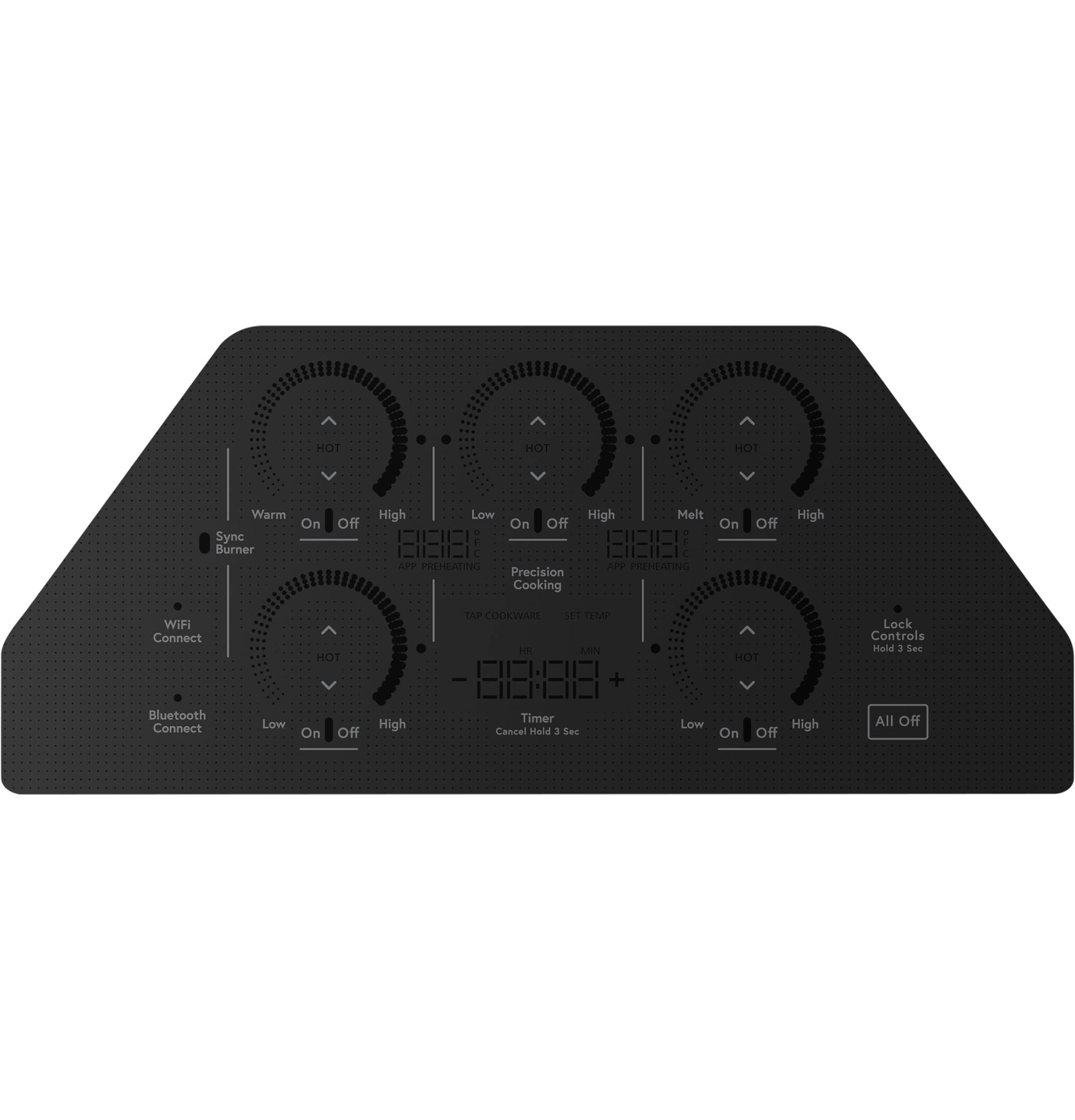
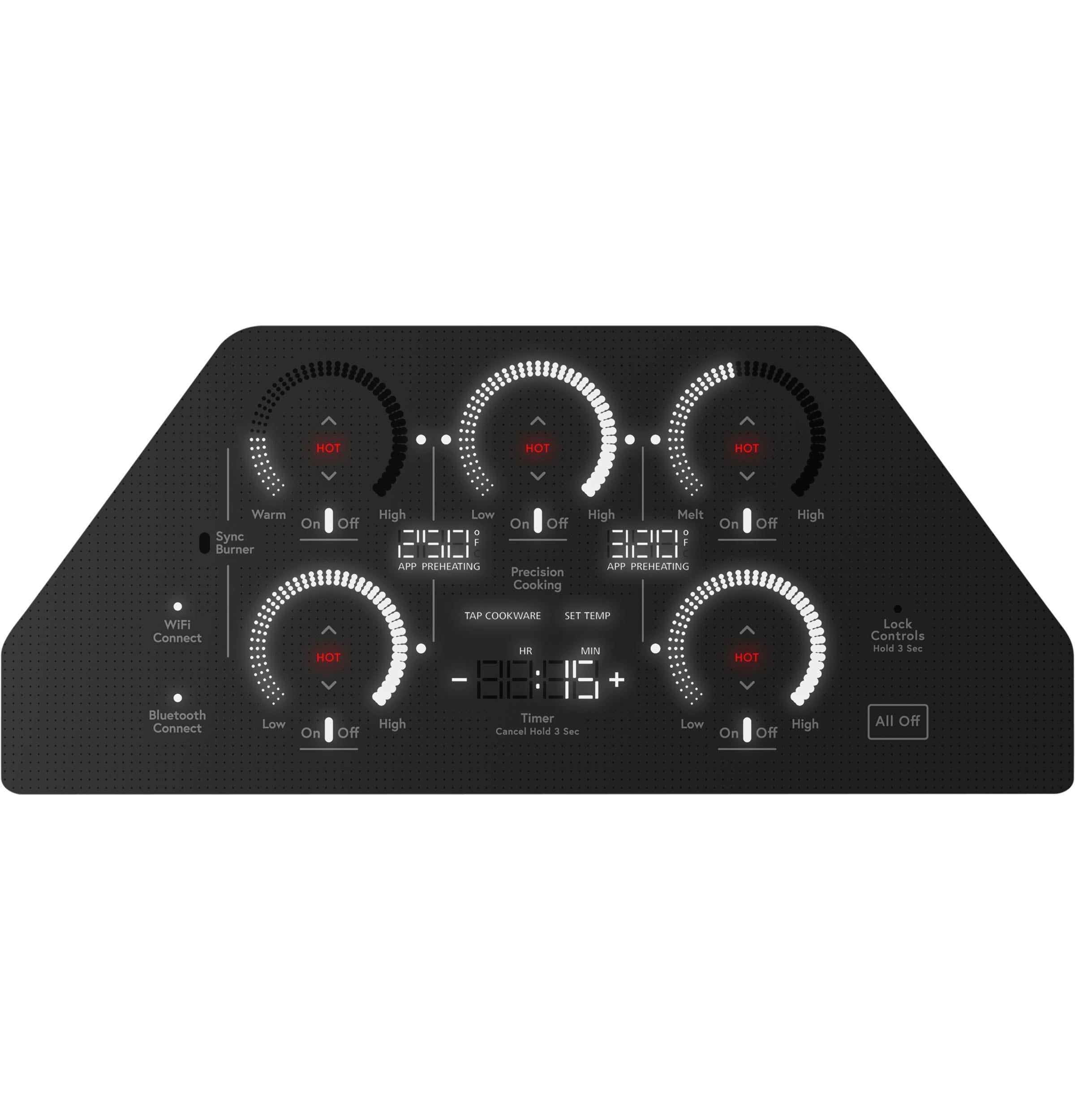
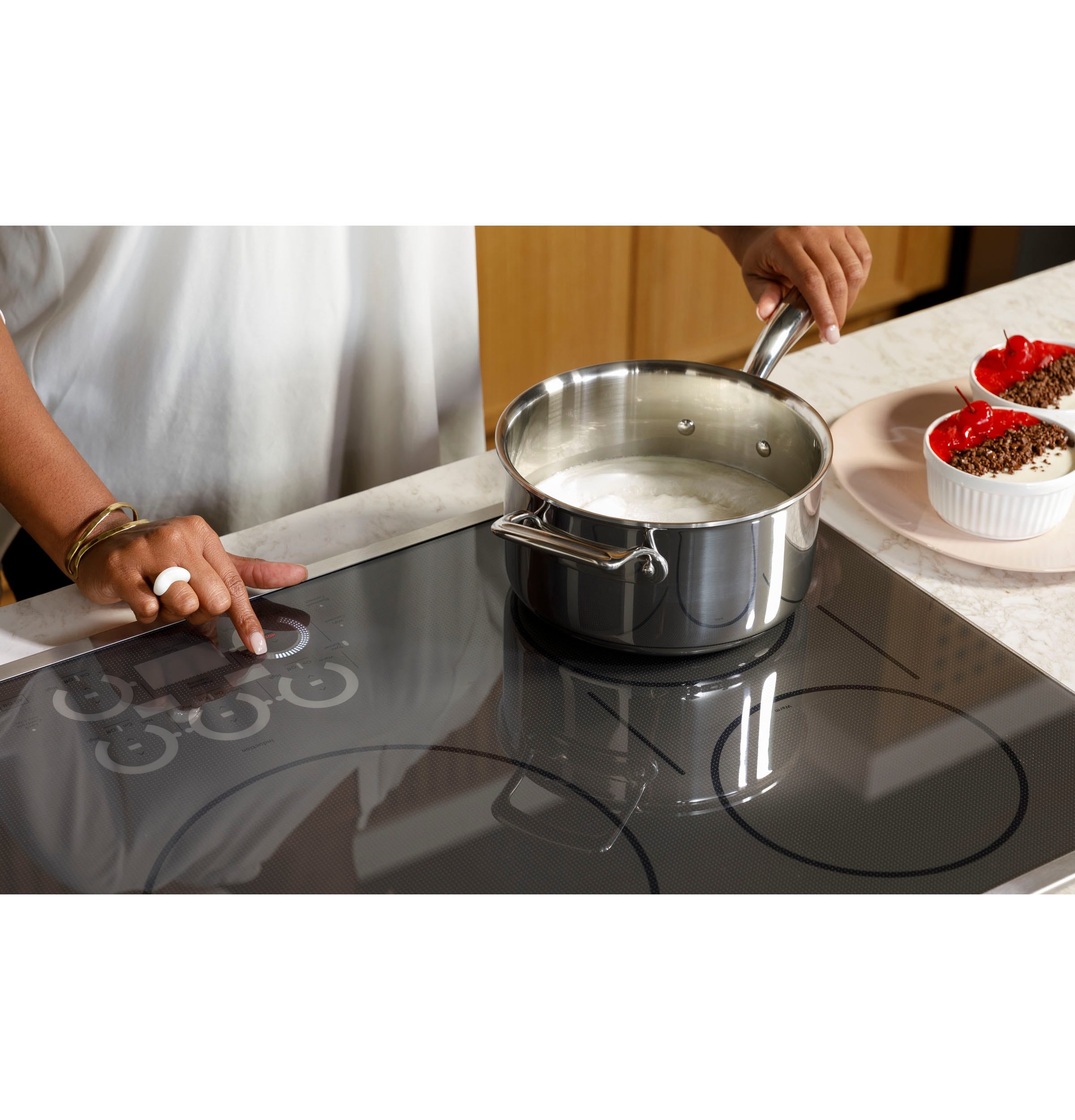
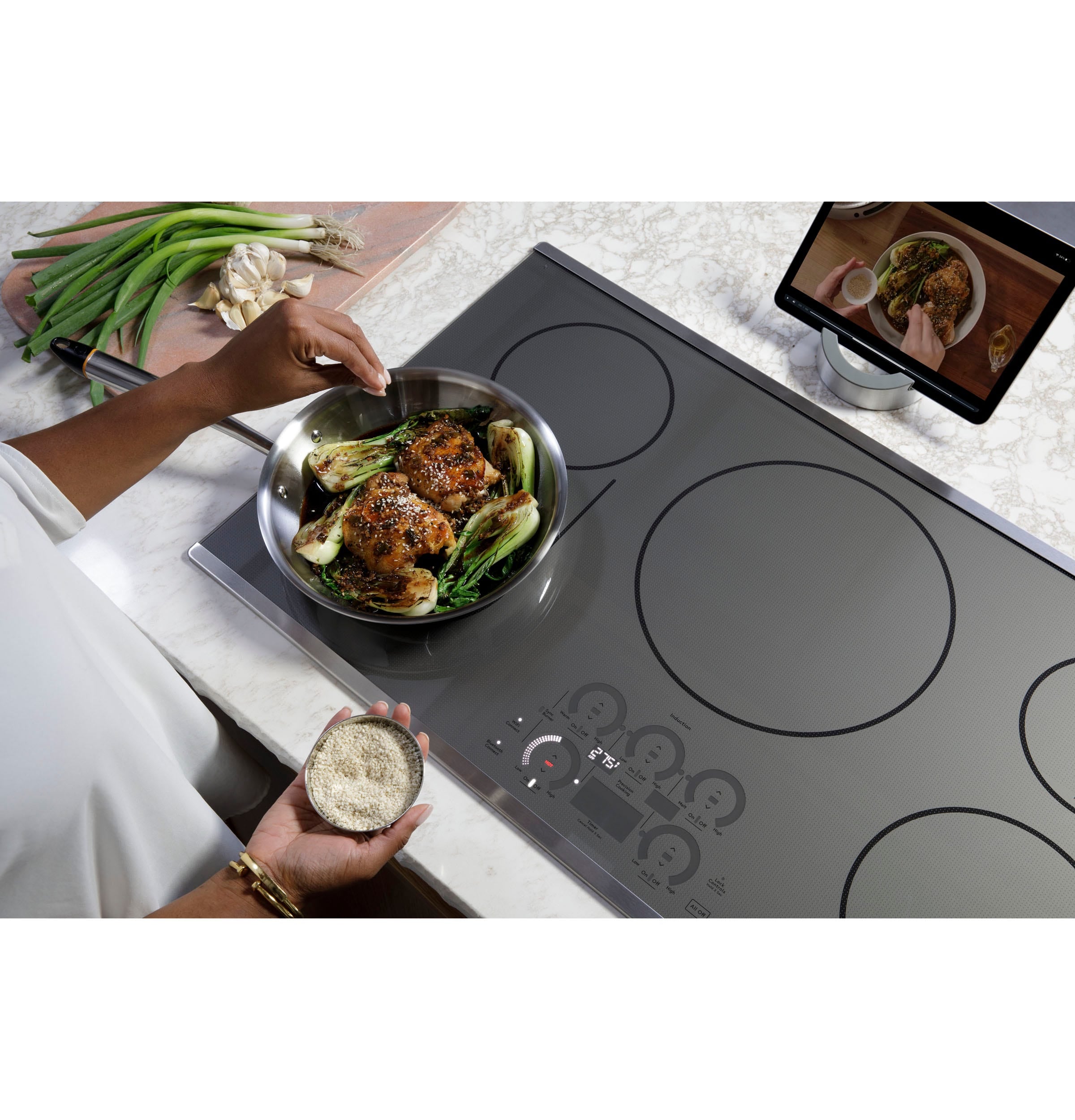
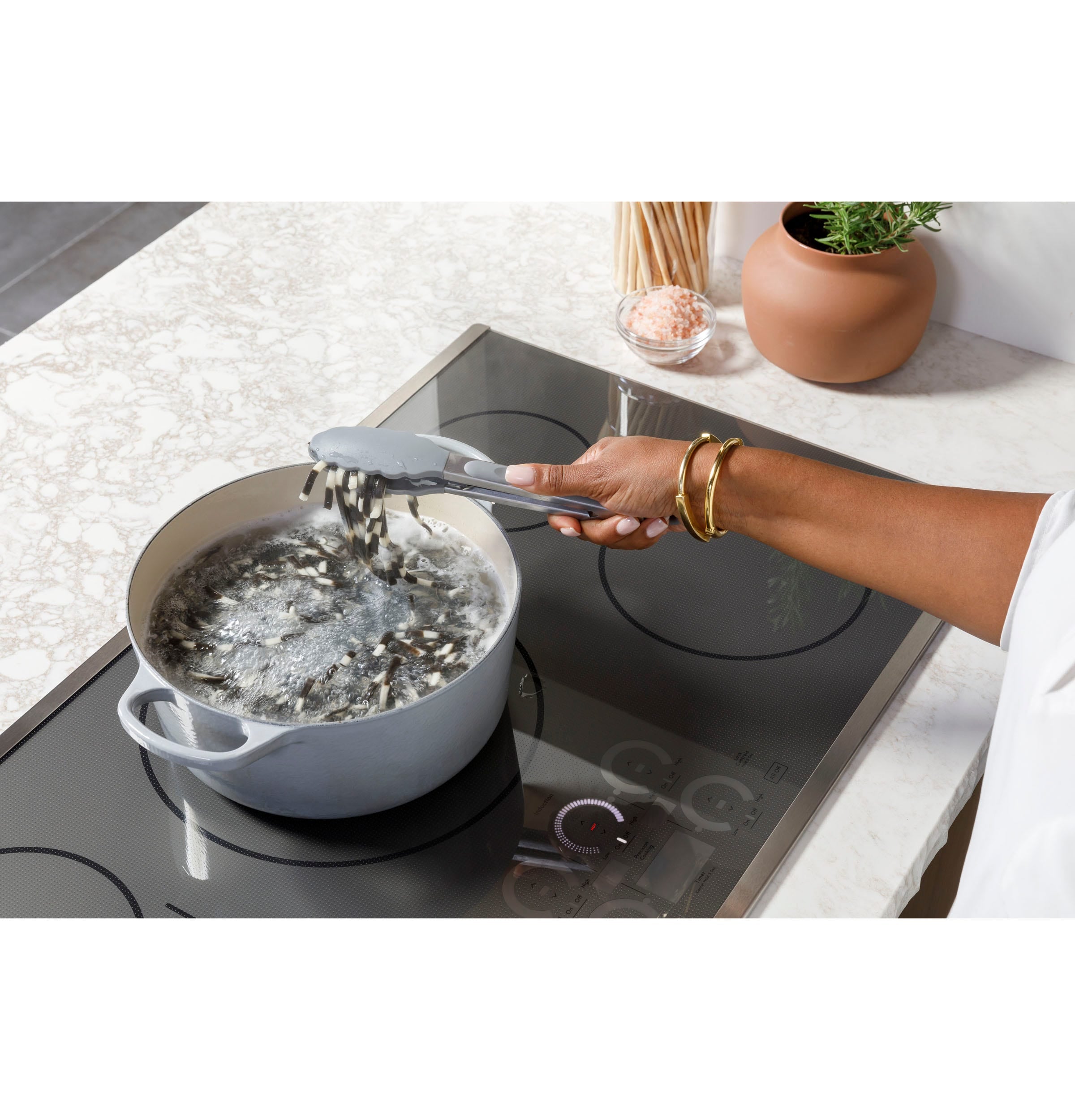
The answer lies first in its comprehensive upgrade to the cooking experience. Unlike traditional gas stoves that rely on open flames, electric ceramic cooktops use infrared radiation heating, delivering even heat distribution to cookware. They are compatible with cast iron, stainless steel, ceramic, and other pot materials, eliminating restrictions on cookware types. During heating, they produce no harmful gases like carbon monoxide, keeping kitchen air fresher—especially ideal for enclosed kitchens, avoiding the safety hazards and fumes associated with open flames. Additionally, precise control knobs and digital displays allow cooks to easily adjust heat levels, from slow simmering to high-heat stir-frying, enabling accurate temperature control to reduce burning or boiling over, even beginners can master complex dishes effortlessly.
Second, the spatial optimization of built-in design is its key advantage in adapting to modern kitchens. Modern kitchens often have limited space; a built-in cooktop fits entirely into the countertop, creating a unified visual effect with cabinets. This avoids the extra space occupied by traditional standalone stoves and streamlines kitchen workflows—cooks can move between prepping, cooking, and plating without being obstructed by protruding cooktop edges. The top ventilation grilles and compact bottom design fully utilize vertical space, allowing storage for cookware and seasonings in the cabinet below, achieving efficient coexistence of "cooking and storage areas" and keeping small kitchens tidy and spacious.
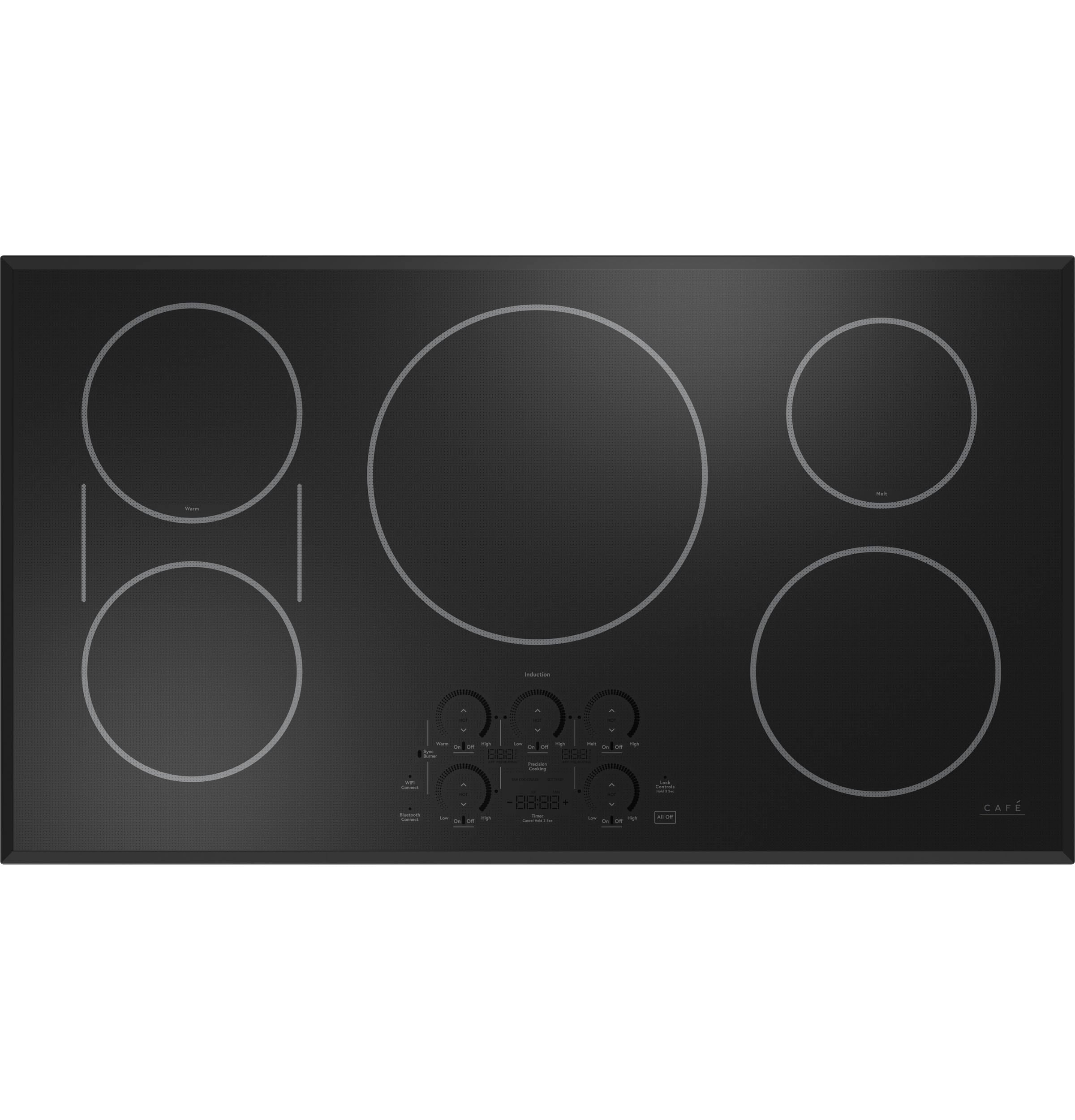
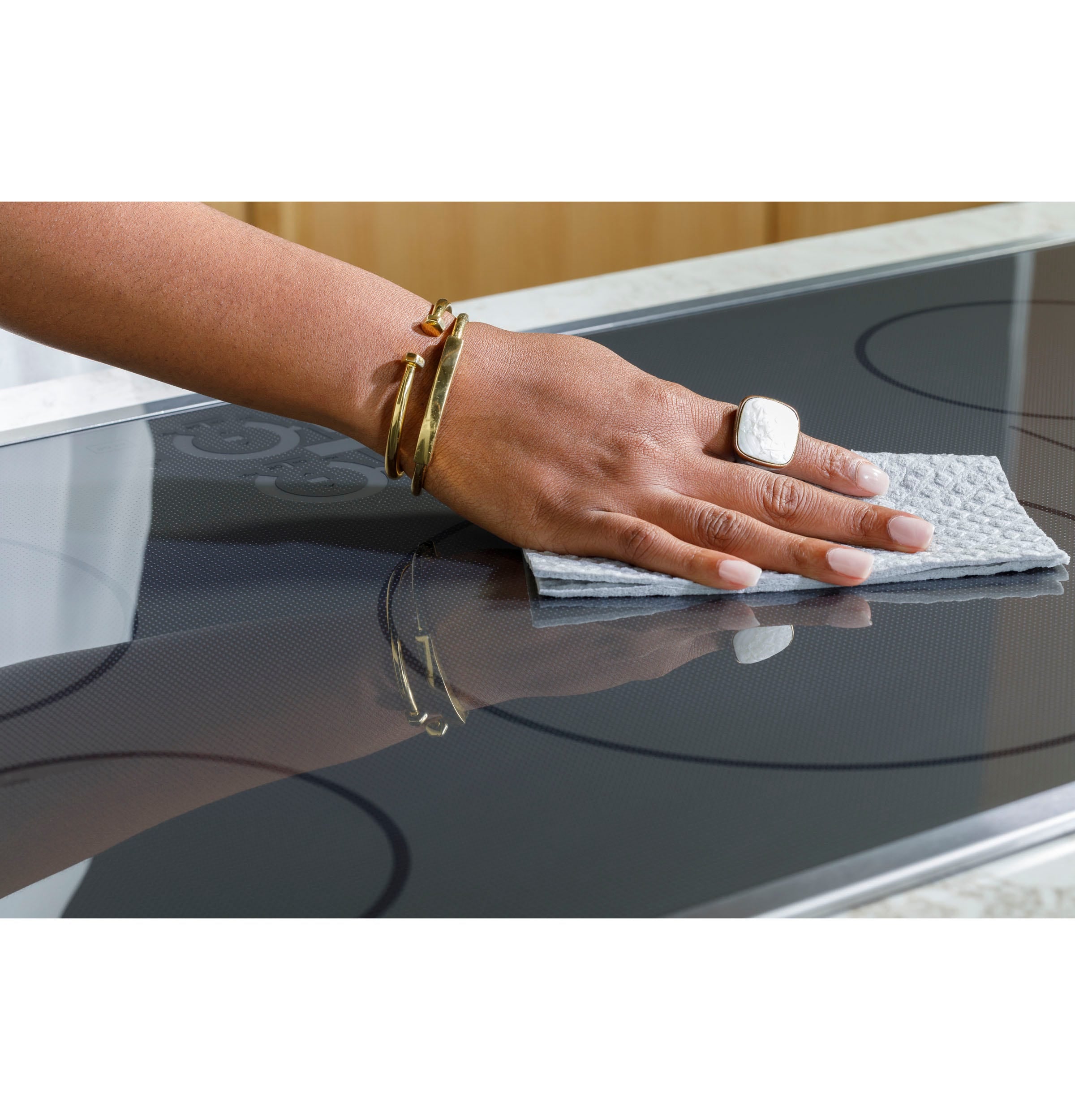
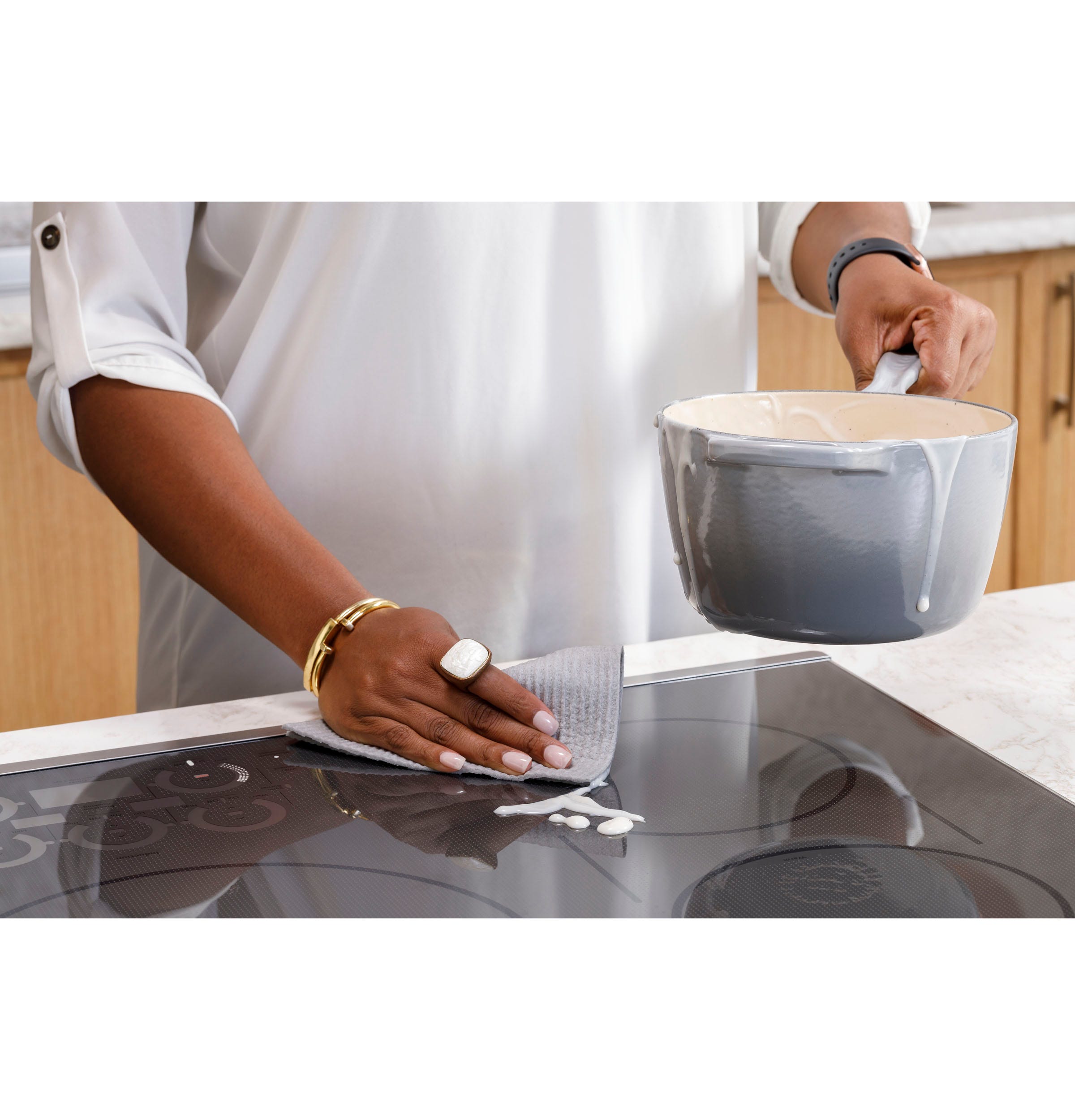
From an aesthetic perspective, the minimalist appearance of the built-in electric ceramic cooktop perfectly aligns with modern kitchen design trends. The sleek black glass panel is clean and uncluttered, with no extra buttons or decorations, creating a classic black-and-white contrast with light-colored countertops and white tiled walls. It is calm yet stylish, fitting Nordic, industrial, minimalist, and other decor styles. The white circular markings for heating zones clearly distinguish burners without disrupting the panel’s integrity, making the cooktop a "visual highlight" rather than a "source of clutter" in the kitchen. For daily cleaning, the smooth glass panel wipes clean in seconds, avoiding the accumulated grease and bacteria common with gas stoves, maintaining kitchen tidiness at all times.
Its practicality is also reflected in versatile scenario adaptability. For a family of three, four heating zones can simultaneously meet multiple needs like stir-frying, soup-making, milk-warming, and pan-frying, eliminating wait times for burners to cool and drastically improving cooking efficiency. During weekend family gatherings, multiple zones can operate in sync to prepare several dishes at once, cutting down meal prep time and letting cooks spend more time with family. Additionally, the residual heat utilization function is highly practical: after turning off the heat, the panel retains warmth for a period, ideal for keeping dishes warm—perfect for family meals in autumn and winter.
In terms of safety and durability, high-quality built-in electric ceramic cooktops are equipped with multiple protective features: overheating auto-shutoff, child lock, and anti-mistouch knobs, effectively preventing safety risks from accidental operation by the elderly or children. The glass panel is made of heat-resistant, impact-resistant materials, withstanding frequent high-temperature cooking and cookware friction, offering a longer service life and fewer issues like component aging or gas leaks compared to traditional gas stoves.
The popularity of built-in electric ceramic cooktops essentially reflects modern kitchens’ demand for "balance between function and aesthetics." It is no longer just a cooking tool but a core kitchen component integrating spatial utilization, safety, health, and visual beauty, transforming cooking from "tedious housework" into a "life-enriching experience."